Preventing Common Maintenance Issues in Rental Properties: A Landlord Guide
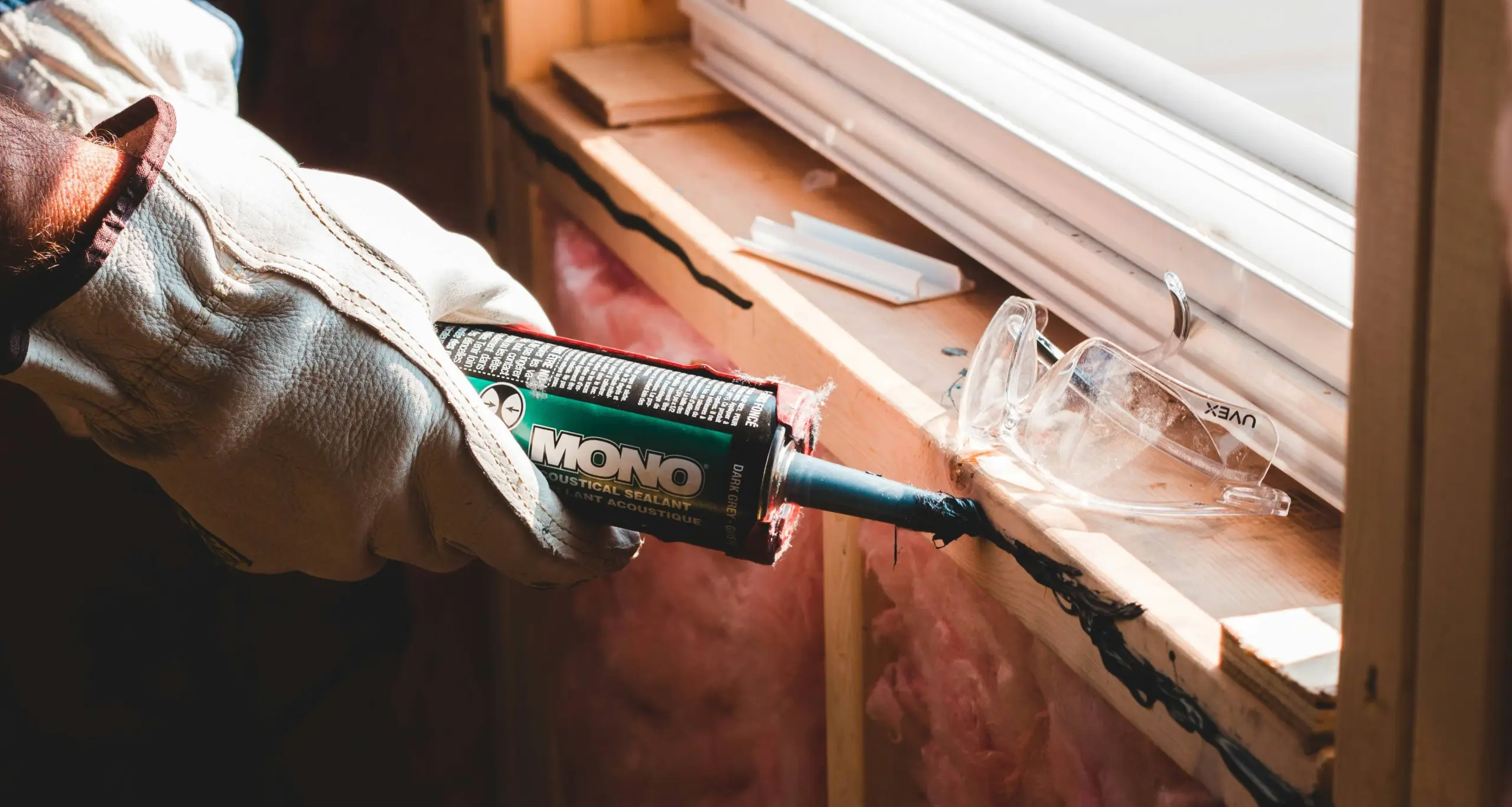
Property maintenance is one of the largest ongoing costs for landlords, but many costly repairs can be avoided through regular inspections, servicing and prompt attention to minor issues. A dripping overflow, cracked roof slate or blocked gutter can quickly become a more serious problem if left unresolved.
In this guide, we outline some of the most common maintenance issues in rental properties and the practical steps landlords can take to prevent them, helping protect rental income, support tenants and preserve your property over time.
Damp and Condensation Control
Damp remains one of the most frequent maintenance complaints in residential lettings. It generally falls into three categories: rising damp, penetrating damp from external building defects, or internal condensation caused by daily living activities.
Landlords can prevent moisture accumulation by taking several practical measures:
Fit continuous trickle vents on double-glazed windows and ensure extractor fans in bathrooms and kitchens operate automatically via humidistats.
Inspect external brickwork, pointing, and render annually for cracks that allow rainwater ingress.
Clear gutters and downpipes every autumn to stop rainwater overflowing down external brickwork.
Provide new tenants with a clear guidance sheet on heating and ventilating the property effectively during winter months.
Plumbing Leaks and Heating Failures
Boiler breakdowns and plumbing leaks cause severe disruption and quickly inflate emergency callout costs. A burst pipe or leaking shower seal can damage ceilings, flooring, and tenant possessions within hours.
Systematic plumbing maintenance ensures small drips do not turn into major insurance claims:
Arrange an annual boiler service alongside your mandatory Gas Safety check before cold winter weather sets in.
Insulate water pipes in unheated lofts and exterior walls to prevent freezing during severe cold snaps.
Check silicone seals around baths, showers, and kitchen sinks during every property inspection, re-sealing promptly where sealant shows signs of wear or peeling.
Replace ageing flexible connector hoses on washing machines and dishwashers, as these components often fail under pressure over time.
Bleed radiators annually and check boiler system pressure to maintain heating efficiency.
Roofing and External Building Wear
Roofing issues often go unnoticed until rainwater damages top floor ceilings or internal timber frames. High winds and heavy rain can dislodge roof tiles, damage chimney flashing, or fill gutters with organic debris.
Protecting the building envelope requires straightforward seasonal checks:
Conduct ground-level visual inspections of the roof tiles, chimney stacks, and rainwater goods twice a year.
Trim tree branches growing close to the roofline or gutters to prevent leaf blockages and tile damage.
Fix loose roof tiles, slipped slates, or degraded chimney flashing promptly after major storm events.
Repoint damaged external masonry and clear ground level drainage gullies to allow free water flow.
Electrical Safety and Appliance Upkeep
Faulty appliances and outdated electrical wiring pose significant safety risks and cause unexpected power trips. Landlords should ensure electrical installations remain safe throughout every tenancy.
You can maintain electrical safety and compliance through routine checks:
Ensure an Electrical Installation Condition Report (EICR) is conducted by a qualified electrician at least once every five years.
Carry out Portable Appliance Testing (PAT) annually on all electrical goods supplied with the property.
Test mains-powered smoke detectors and carbon monoxide alarms at every tenancy renewal to meet statutory requirements.
Replace appliances approaching the end of their typical service life rather than continually repairing old units.
Encourage tenants to report flickering lights or warm socket faceplates immediately.
Establishing a Routine Property Inspection Schedule
Regular property inspections allow landlords to identify early warning signs before they become expensive problems. Scheduling visits every six months gives you an opportunity to review the condition of the property and discuss any concerns with your tenants.
During inspections, focus on high-risk areas including under-sink plumbing, window frames, loft space, and external drainage gullies. Documenting the property condition with clear photographs creates an objective record for both parties and simplifies deposit returns at the end f a tenancy.
How Can a Professional Lettings Team Safeguard Your Investment?
Managing ongoing property maintenance demands time, organisation, and access to trusted local tradespeople. Working with an experienced local letting agent ensures your property undergoes regular inspections, regulatory compliance checks, and prompt preventative maintenance.
At Lawsons & Daughters, our property management team provides hands-on support for landlords across West London, from regular inspections and compliance checks to arranging maintenance with experienced contractors.
If you are looking for a more personal and well-managed approach to letting your property, our team is here to help. Call us on 020 8563 0202 or fill in our online enquiry form to speak to our lettings and property management team.
Lawsons & Daughters
Experts in Property. Part of the community.