Leasehold vs Freehold Property: What You Need to Know Before You Buy in 2026
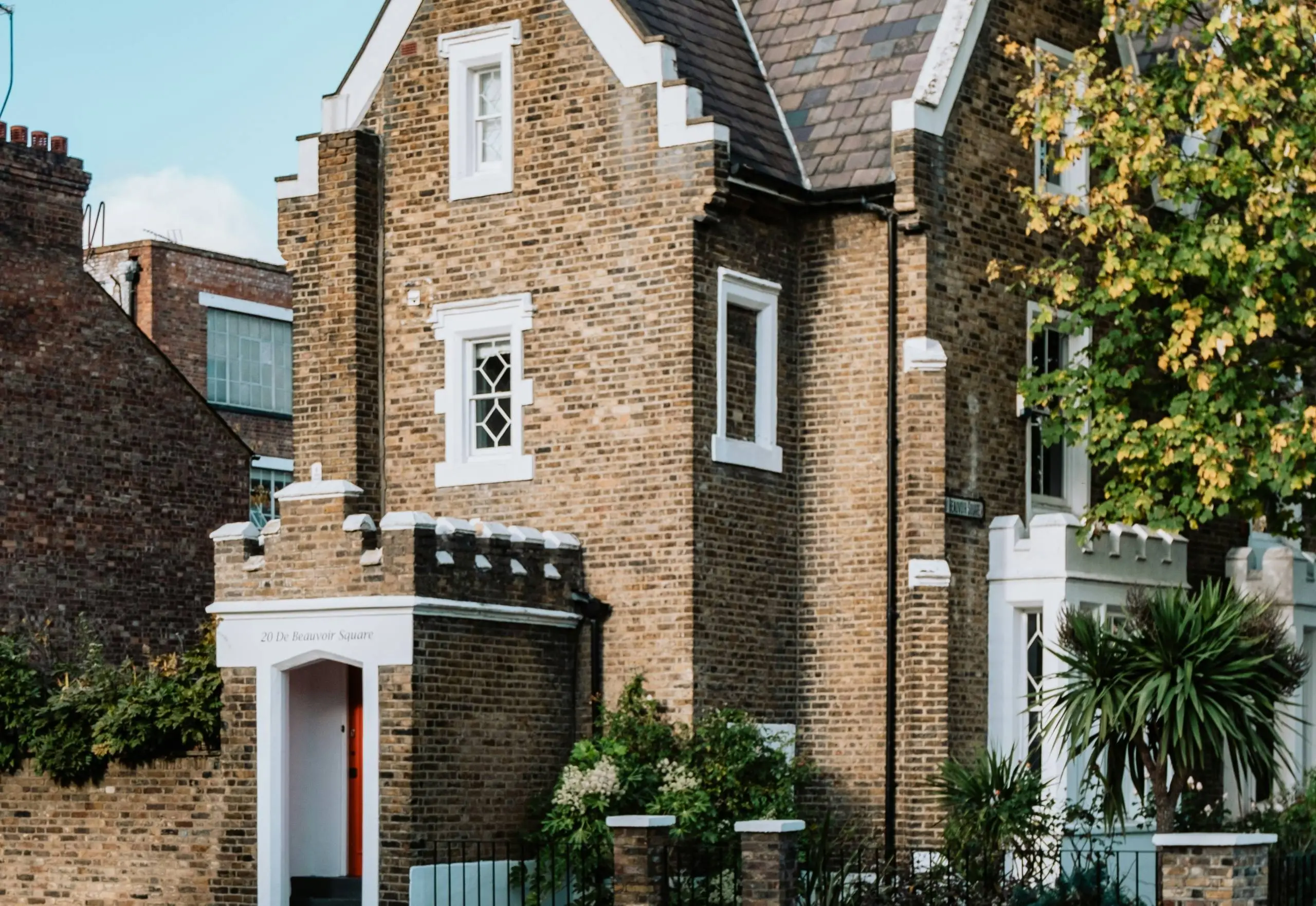
If you're buying a property in Fulham, you'll likely come across both leasehold and freehold properties. Understanding the difference matters as it affects what you own, what you'll pay over time, and how straightforward the property will be to sell in future.
What Is Freehold?
With a freehold property, you own the building and the land it sits on outright. There's no landlord, no lease to think about, and no ground rent to pay. You're responsible for maintenance, but the property is entirely yours.
Most houses in Fulham are freehold. It's the more straightforward form of ownership for most buyers.
What Is Leasehold?
With a leasehold property, you own the right to live there for a set number of years. The building itself belongs to the freeholder. When the lease expires, ownership returns to them, though most leases are long enough that this isn't an immediate issue.
As a leaseholder, you'll usually pay:
Ground rent - a charge to the freeholder, paid annually. New leases are required to set this at zero or a peppercorn, but older leases can vary
Service charge - your contribution to the upkeep of the building and shared areas. Costs vary considerably between buildings, so it's worth asking for the last few years' accounts.
Buildings insurance - usually arranged by the freeholder and included in the service charge.
How Leasehold Lease Length Affects Mortgage and Property Value
The length of the remaining lease has a direct impact on the value of the property, your ability to get a mortgage, and how easy it will be to sell in the future.
As a general guide, above 90 years is comfortable. Below 80 years, lenders can become cautious and the cost of extending the lease increases. If you're considering a property with a shorter lease, make sure you understand what extending it would cost before you make an offer.
What Is Share of Freehold?
Some leasehold properties come with a share of the freehold. This means the leaseholders jointly own the building between them. It generally means more control over how the building is run, and makes extending the lease simpler and less costly.
If you're weighing up two similar properties and one comes with share of freehold, it's usually worth the difference in price.
Freehold vs Leasehold: The Key Differences

What to Check Before Buying a Leasehold Property in Fulham
Unexpired lease length - below 80 years, extension costs rise and lenders become more cautious
Service charge history - ask for three years' accounts to understand what you'll be paying and whether costs are stable
Planned major works - significant works to the building can mean large additional bills for leaseholders
Ground rent terms - older leases can include escalating clauses
Restrictions - some leases include conditions on subletting, pets, or making alterations
Managing agent - the quality of building management affects your day-to-day experience as a resident
Head lease - if buying a sub-lease, the head lease terms will affect what you're able to do with the property
Is Leasehold Worth Buying in Fulham?
Yes, the majority of flats in Fulham are leasehold, and many make excellent homes and long-term investments. The key is understanding what you're buying, asking the right questions early, and taking good legal advice.
We know the leasehold landscape in Fulham well. If you have questions about a specific property, we're happy to help. Call us on 020 8563 0202 or fill out our enquiry form if you'd like to discuss a property you're considering.
Lawsons & Daughters
Experts in property. Part of the community.
[Published: 06 September 2026]